OVERHEAD Players & Session Guide
How people actually play OVERHEAD — alone, in a pack, and with headphones on.
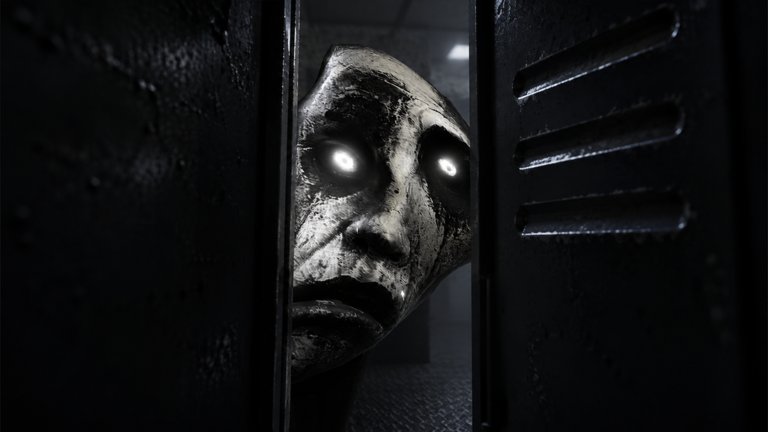
OVERHEAD [HORROR] supports up to 24 players in a session. That ceiling shapes everything: noise in the corridors, competition for drawers, how often the threat is “someone else’s problem,” and whether you can quietly map the hotel alone. This Players Hub covers the human side of the loop — controls mindset, solo versus multiplayer, headphones, and how to coordinate without ruining tension.
The premise stays the same regardless of party size. You are lost in a hotel corridor maze. Search drawers for keys. Find levers that release exit steel bars. Something crawls on walls and ceiling. Hide when it is close. Hold your breath if it stops outside your locker. Struggle if you are caught. Guides teach the mechanics; this page teaches how players behave around those mechanics.
Controls and movement mindset
Roblox movement will feel familiar: walk, sprint when the game allows, interact with drawers, lockers, and levers, and use camera look to check ceilings — because the threat does not stay politely on the floor. Treat every interaction as a noise-and-time trade. Opening a drawer in the open while footsteps or scraping approach is how runs end. Bind your attention to:
- Interactables: drawers (keys), levers (exit bars), lockers (hide).
- Vertical threat space: walls and ceiling paths, not only hallway sightlines.
- Audio first: headphones make scrape, stop, and leave cues readable.
Exact keybinds depend on your Roblox device settings (keyboard, controller, or touch). Before a serious attempt, open Roblox settings and confirm you can interact and move without fighting the UI. Then load Getting Started once so the objective list is fresh.
Headphones are not optional flavor
The experience recommends headphones for a reason. Analog-horror corridor games live on proximity audio: something above you, something stopping outside thin locker doors, something leaving so you can breathe again. Speakers across a room smear those cues. If you only remember one Players Hub tip, make it this — wear headphones, lower music if you use any, and treat silence as information.
Breath-hold moments in How to Hide are almost impossible to time correctly without hearing whether the presence has stopped or moved on. Mapping corridors also gets easier when you hear teammates (or strangers) opening drawers two halls away.
Solo play
Solo OVERHEAD is pure tension. You own every drawer route, every bad lever guess, every locker decision. Advantages:
- No random teammates sprinting into your hide spot.
- Easier to learn audio without overlapping footsteps.
- Cleaner mental map of which corridors you already searched.
Disadvantages:
- Nobody watches your back while you dig through furniture.
- If you get caught, there is no second player finishing a lever.
- Learning the exit bar sequence can take more attempts.
Solo players should lean on the Full Walkthrough and Find Keys & Levers after one exploratory death. Use the Tier List to prioritize listening and locker timing over greedy full-clear drawer loops.
Multiplayer (up to 24)
Fuller servers change the social contract. With more people in the hotel:
- Drawers get emptied faster — call out empty wings in chat if your group cooperates.
- The threat may pressure another player while you finish a lever; do not assume you are safe because someone else is screaming.
- Crowding lockers can soft-lock hide options; pick alternate closets early.
- Some players will treat the session like a meme lobby. Mute or ignore if it breaks your focus.
Good co-op habits:
- Split corridors instead of cloning the same hallway.
- Share key and lever status in short chat lines.
- Do not bait the creature into a teammate’s locker for laughs.
- Revive the plan after a catch — struggle, regroup, return to objectives.
Bad habits: following one confident player blindly, ignoring headphones because “voice chat is enough,” and opening every drawer in a pack so the whole squad is exposed together.
What a strong player looks like
Strong OVERHEAD players are quiet when it counts, greedy only when audio is clear, and obsessed with exit conditions rather than sightseeing. They know when to abort a search and enter a locker. They practice breath control. They remember which levers still matter. They use this wiki’s Guides Hub instead of risky Scripts that paint ESP overlays and invite bans.
Weak habits show up on the Tier List as low ranks: ignoring audio, never holding breath, mapping nothing, struggling poorly after grabs, and treating drawers like a speedrun checklist with no threat model.
Session checklist before you join
- Headphones on; volume comfortable but detailed.
- Favorites / join from the official experience so you are on the real place by Escape The Monster Games.
- Decide solo focus versus social lobby.
- Skim How to Hide if it has been a while.
- Know there are no active codes — do not stall in menus hunting fake rewards.
- After patches (see Updates), expect small feel changes; relearn audio if something seems off.
Watching skilled clears
For paced ending footage, open Escape & Ending or the Full Walkthrough. Pause when the creator hides or commits to a lever, then try the same discipline in your own server. Also skim Controls and Survival Tips so session habits match what you watch.
Community and creators
Official home: Roblox experience OVERHEAD under group Escape The Monster Games. Fan pages like this wiki organize tips; they are not a substitute for the group wall when developers post. Bookmark Official Links for the canonical URLs.
Players often say the vibe recalls MONOCHROME / Boisvert-style analog horror. Enjoy that atmosphere — just remember OVERHEAD’s concrete loop is hotel drawers, levers, lockers, and a crawling stalker, with a 24-player cap shaping public servers.
Play fair with teammates when you can. Listen harder than you sprint. Leave the hotel with keys turned and bars raised — then help the next player by linking them this hub and the Guides index.
Frequently Asked Questions
Quick answers for surviving OVERHEAD’s hotel maze.
How many players can join an OVERHEAD server?
The experience supports up to 24 players. Fuller lobbies mean more noise, faster drawer competition, and different hide pressure than solo runs.
Do I really need headphones?
Yes for serious attempts. Proximity audio, locker stop cues, and ceiling movement are much clearer on headphones than on open speakers.
Is OVERHEAD better solo or with friends?
Solo is best for learning audio and mapping. Friends help with levers and coverage if you communicate and avoid clustering every drawer.
Where are detailed hiding and objective guides?
Use How to Hide for lockers and breath holds, Find Keys & Levers for objectives, and the Full Walkthrough for a complete escape outline.
Are there promo codes that help players?
Not currently. The Codes Hub lists none active. Focus on gameplay skill instead of fake code videos.